Strengthening Maternal and Newborn Health Services in Bauchi, Kebbi, and Sokoto States
USAID IHP Maternal, Newborn and Health (MNH) Project
This project was implemented under the USAID Integrated Health Program (IHP) RMNCH+NM intervention focus area (MNH, family planning/reproductive health, and child health/nutrition/malaria). It aimed to enhance the capacity of frontline healthcare workers in Bauchi, Kebbi, and Sokoto States to deliver gender-sensitive, high-quality MNH services.
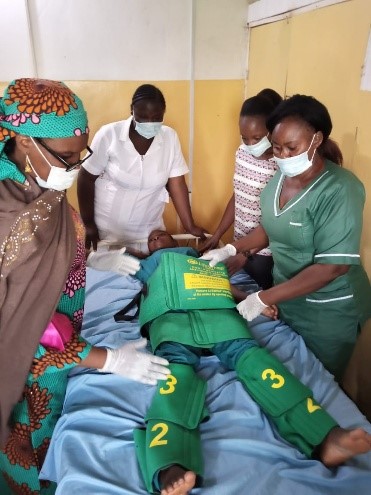
The intervention utilized the Low-Dose High-Frequency (LDHF) training approach, focusing on antenatal care (ANC), safe childbirth, postpartum hemorrhage (PPH), pre-eclampsia/eclampsia (PE/E), and helping baby breathe (HBB).
Project Phases
Phase 1: September 2020 – March 2021
156 master trainers and supervisors who cascaded training to 1,889 frontline health workers across 483 health facilities in 37 LGAs.
Phase 2 (Follow-on): June – December 2021
Training of an additional 134 trainers and supervisors, reaching 1,408 health workers across 365 facilities in 51 LGAs.
Overall Impact
- Capacity Building: A total of 3,297 health workers from 848 primary healthcare facilities received on-site training and mentoring across all 64 LGAs in the three states, leading to measurable improvements in MNH service delivery, documentation, and clinical skills.
- Community Engagement: CCPRH conducted advocacy visits to engage local government and community structures, generating increased demand for MNH services.
- Service Quality Improvements: The project strengthened infection prevention and control practices and increased utilization of MNH services in supported facilities.
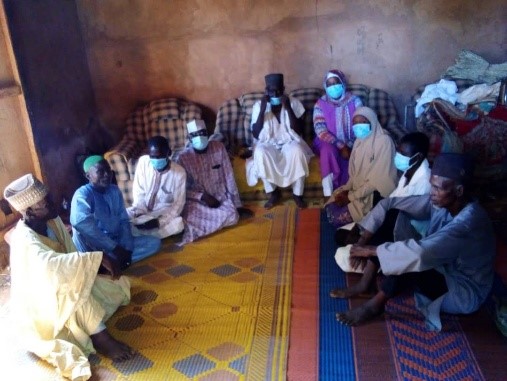
Advocacy and Sensitisation visit to the Head of Kubodu Village
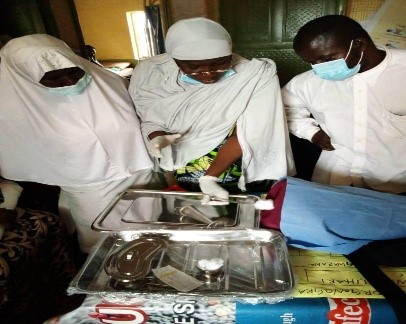
Demonstration of external rotation of the head at Alelu PHC
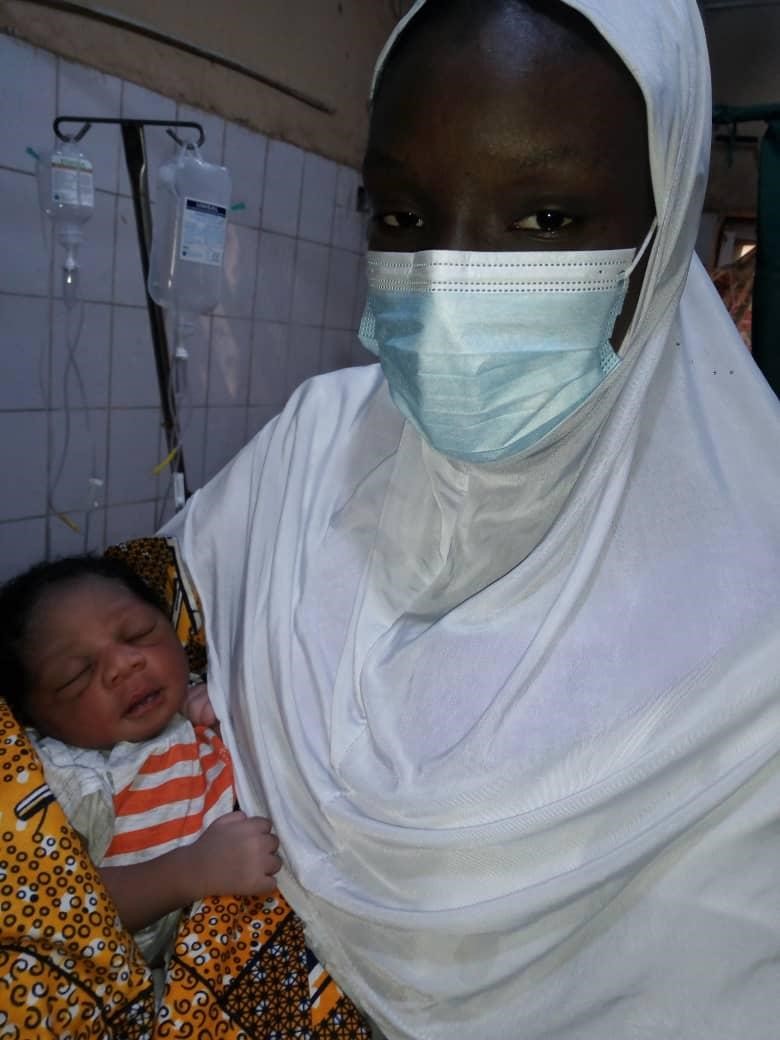
Live delivery at PHC Kyarmi conducted during
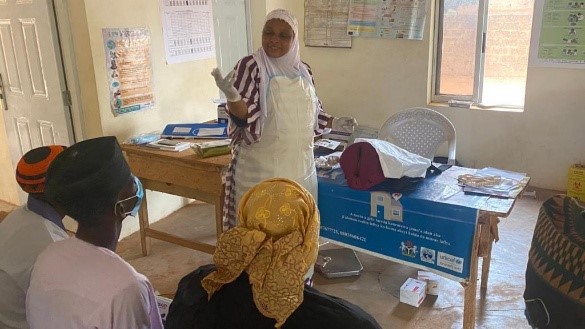
Vaginal examination training at PHC Katanga, Jega LGA
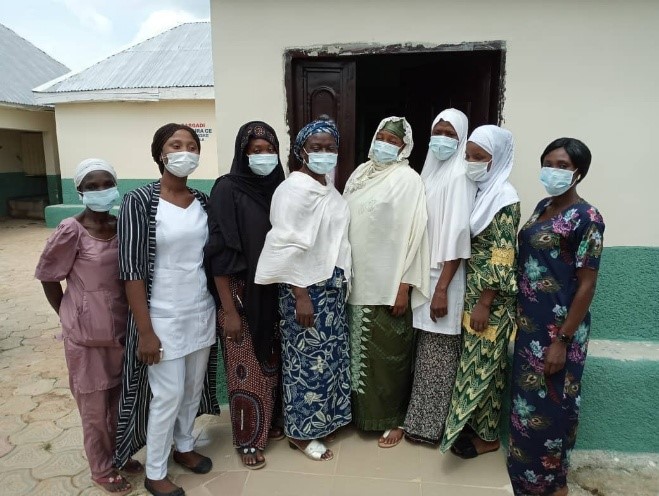
Some trainees, members of staff and manager of Uamaniya Memorial clinic Tide
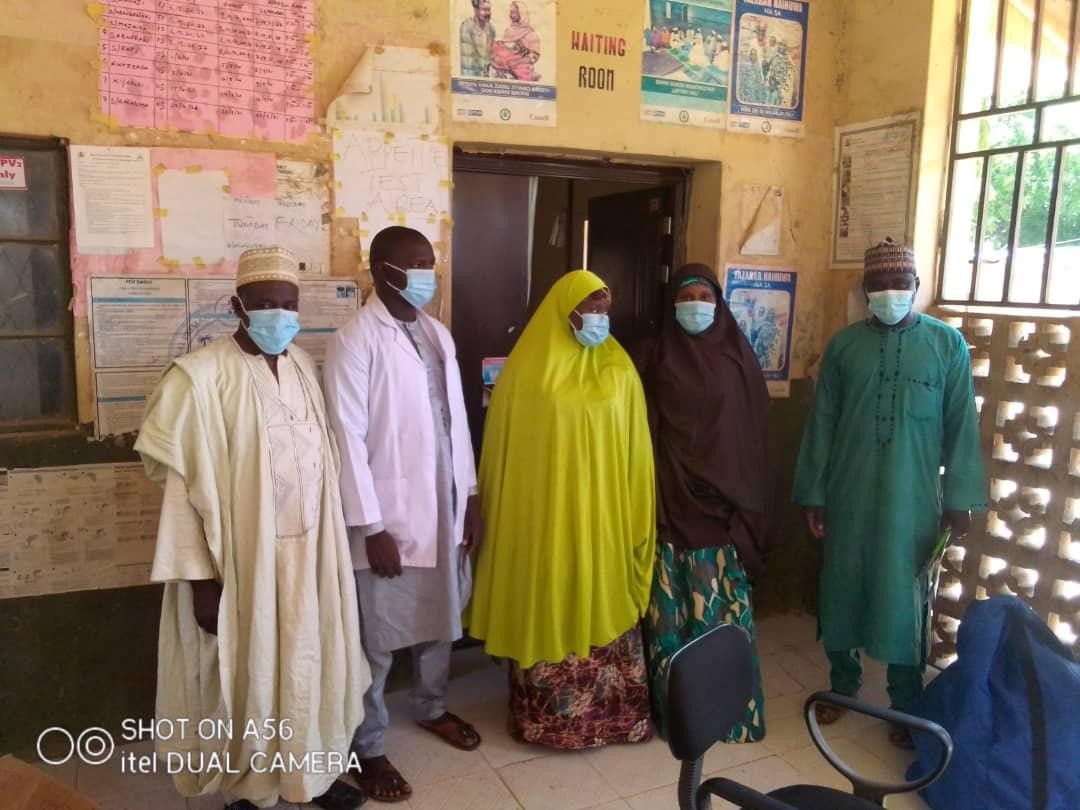
Gronyo and Rabah LGAS’ Directors of Health visit to Giyawa PHC and Kurya HP during the training
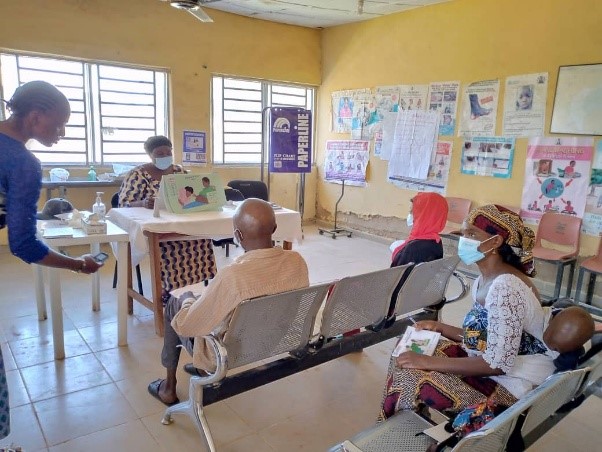
ECLB Session at Unguwan Rimi PHC, Bogoro LGA