Strengthening the capacity of health systems and frontline health workers to prevent FGM and provide quality care for individuals experiencing complications from the harmful practice.
UNFPA-UNICEF Joint Program on FGM ELIMINATION
Since 2018, we have been implementing a health-sector-focused intervention to eliminate Female Genital Mutilation (FGM) in Nigeria. The project, which is designed to strengthen the capacity of health systems and frontline health workers to prevent FGM and provide quality care for individuals experiencing complications from the harmful practice, continues to contribute significantly to national and global efforts to eliminate FGM by 2030.
Key Achievements (2024)
- Capacity Building and Service Availability
- A total of 740 healthcare workers trained across 5 states on FGM prevention, case identification, counseling, and clinical management of complications
- 389 health facilities across the states have at least one trained provider offering FGM-related services
- 333 health facilities actively report FGM-related data through the health information system
- Community-Level Impact
- 34,015 cases of FGM were identified and reported across the five implementation states: Imo – 5,104, Ebonyi – 8,993, Osun – 2,963, Ekiti – 11,704, Oyo – 5,104
- 489 cases of FGM complications were managed by trained health workers: Imo – 138, Ebonyi – 18, Osun – 53, Ekiti – 258, Oyo – 22
- Health Education and Behavior Change
- Reached a total of 439,344 individuals through health talks, counseling, and outreach with prevention-focused health education messages
- Imo – 17,997, Ebonyi – 88,056, Osun – 46,166, Ekiti – 110,781, Oyo – 176,344
Results: January – December 2024
Key Indicators Across Four Quarters
|
Quarter |
FGM Cases Identified |
Survivors/At-Risk Women Reached |
Reported Complications |
Health Facilities with Trained Staff |
HFs Reporting FGM Data |
|
Q1 |
1,424 |
4,634 |
71 |
50 |
31 |
|
Q2 |
960 |
2,818 |
0 |
50 |
31 |
|
Q3 |
1,540 |
5,563 |
10 |
50 |
34 |
|
Q4 |
1,327 |
4,982 |
55 |
50 |
35 |
|
Total |
5,251 |
17,997 |
136 |
50 |
35 |
Case Trends
- Type 4 FGM was most prevalent (approx. 80%), followed by Type 1 and Type 2
- The age group most affected was children under 2 years with over 75% cases recorded
- Home settings accounted for nearly 70–80% of all mutilations
- A majority of procedures were performed by non-clinical “others” (mothers, relatives), while Traditional Birth Attendants (TBAs) accounted for 20–25%
- Most cases were identified during routine immunization visits (50–70%) and Infant Welfare Clinics (IWC)
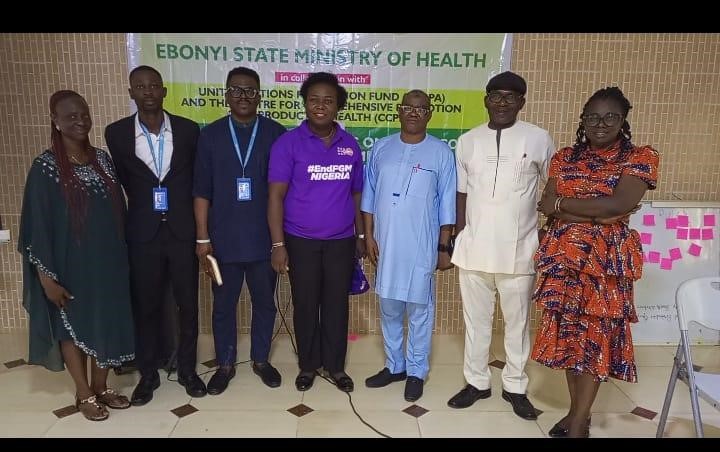
Major stakeholders at the Trainers Programme on FGM Prevention in Ebonyi State
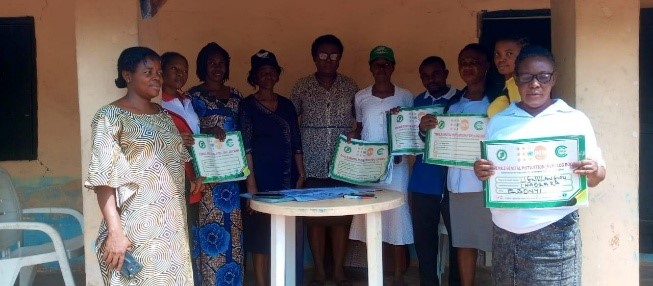
FGM Reviw Meeting with Health Workers at Ohauzara L.G.A, Ebonyi State
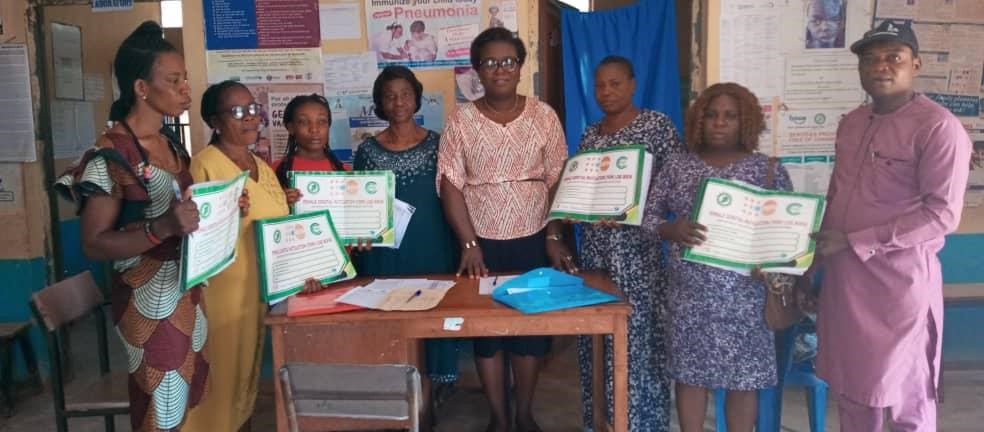
Ebonyi stae review meeting at Ettam PHC in IzziLOA, Ebonyi State