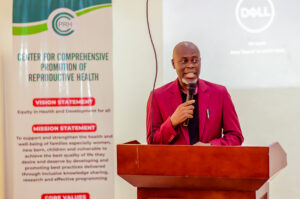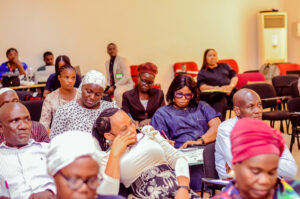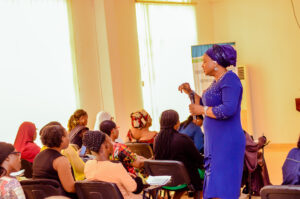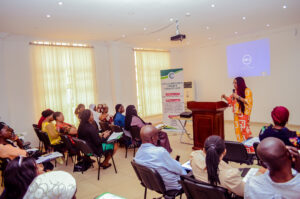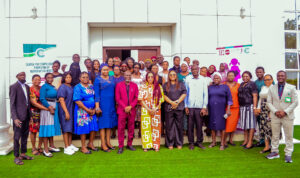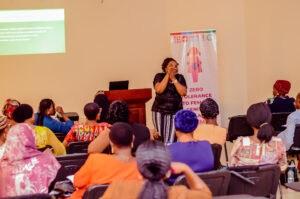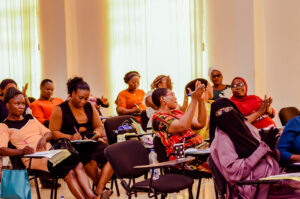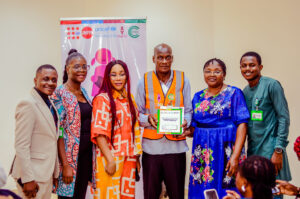
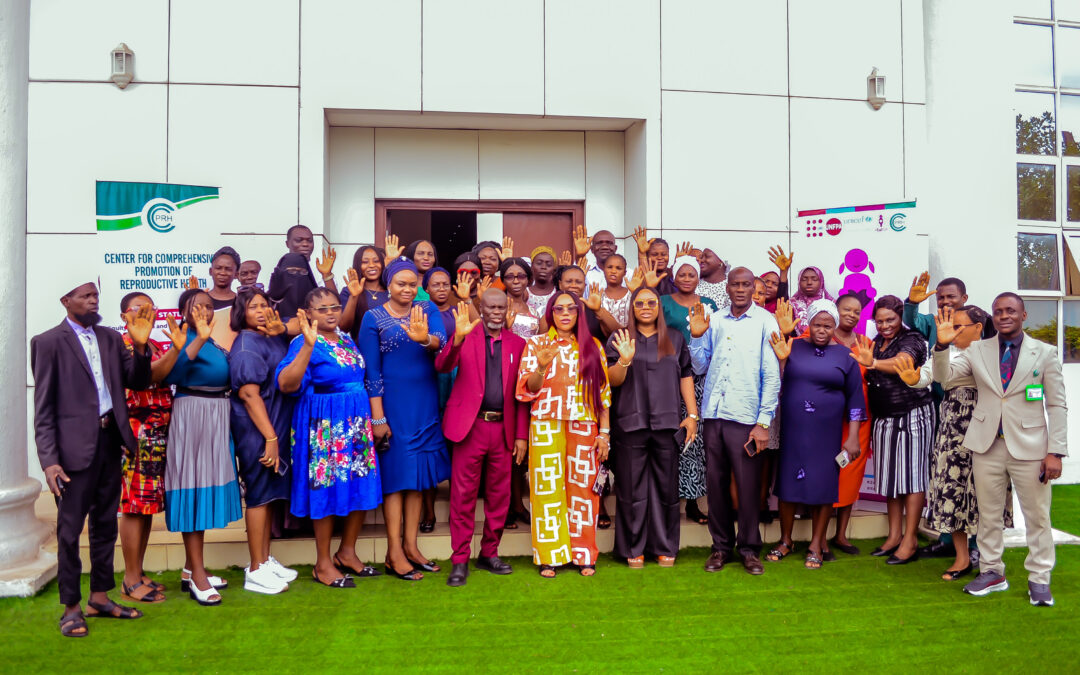
The Center for Comprehensive Promotion of Reproductive Health (CCPRH), with support from the United Nations Population Fund (UNFPA), successfully conducted a training for Social Workers on advocacy for the abandonment of Female Genital Mutilation (FGM) on Tuesday, 21st April 2026, at the Ibadan Business School, Ibadan, Oyo State.
Female Genital Mutilation remains a significant public health and human rights concern in Nigeria, sustained by deeply rooted cultural and social norms in some communities. As frontline actors within communities, Social Workers play a critical role in protecting vulnerable individuals, supporting survivors, and promoting positive social and behavioral change. The training was therefore organized to strengthen their capacity to prevent FGM, respond effectively to cases, and champion advocacy efforts at the community level.
The training brought together Social Workers from fifteen selected Local Government Areas across the Ibadan and Oyo zones of Oyo State. A total of thirty-four participants, comprising four males and thirty females, attended the engagement.
Key sessions focused on understanding FGM and its consequences, legal and policy frameworks guiding prevention and response, social norms and advocacy strategies for behavior change, referral pathways and survivor support services, as well as documentation, reporting, and monitoring mechanisms.
The sessions were facilitated by experienced professionals, including Mrs. Bilikisu Oluwakemi Olawoyin of the Oyo State Primary Health Care Board, Mrs. Modupe Awosemusi from the Ministry of Justice, Mrs. Olafunmilayo Akinpelu, and Mr. Kehinde Oladokun from the Ministry of Women Affairs and Social Inclusion.
Representing UNFPA at the training was Mrs. Uzoma Ayodeji, FGM Gender Analyst, who provided technical guidance, shared global perspectives on the elimination of FGM, and reaffirmed UNFPA’s commitment to ending harmful practices and protecting the rights and dignity of women and girls.
The engagement recorded several positive outcomes, including improved knowledge of FGM among participants, enhanced skills for early identification and intervention, strengthened referral systems and case management capacity, and increased commitment to community advocacy and sensitization activities.
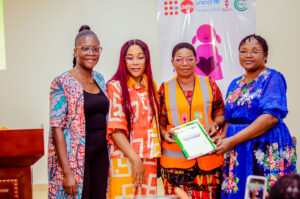
Participants were also provided with Information, Education, and Communication materials, reflective jackets, training supplies, and reporting tools to support ongoing advocacy and community engagement efforts.
The training marks another important step toward strengthening community-level action against FGM in Oyo State. CCPRH remains committed to collaborating with government institutions, development partners, and community stakeholders to promote the abandonment of harmful practices and safeguard the health, rights, and well-being of women and girls.